
who is uncle sam
Who Is Uncle Sam is one of the most recognizable symbols associated with the United States, yet many people only have a surface-level understanding of who he is and what he represents. To most, Uncle Sam is the tall, elderly man with a white beard, star-spangled top hat, and stern expression pointing directly at the viewer. This image has become deeply embedded in American culture, symbolizing authority, patriotism, and national responsibility. But Who Is Uncle Sam is more than just a familiar face on posters or political cartoons. He represents the voice and power of the U.S. government itself.
Over time, Who Is Uncle Sam has evolved alongside the nation. His meaning has shifted depending on historical context, political climate, and public sentiment. Sometimes he appears as a proud and inspiring figure, urging citizens to serve their country. At other times, he is used satirically to critique government policies or military actions. Understanding Who Is Uncle Sam helps explain how Americans view their government, their duties as citizens, and their national identity.
Origins of Uncle Sam: Where Did the Name Come From?
The origin of the name “Who Is Uncle Sam” dates back to the early 19th century, during the War of 1812. The most widely accepted story links the nickname to Samuel Wilson, a meatpacker from Troy, New York. Wilson supplied beef to American soldiers, and his barrels were stamped with “U.S.” to indicate government property. Soldiers reportedly joked that the initials stood for “Uncle Sam,” referring to Wilson, who was known for his fairness and reliability.
As these stories spread, “Who Is Uncle Sam” gradually became a nickname for the U.S. government itself. While some historians debate the accuracy of the tale, it gained enough popularity that Congress officially recognized Samuel Wilson as the namesake of Uncle Sam in 1961. This recognition helped solidify the story as part of American folklore, blending fact and legend in a way that suits a national symbol.
The Evolution of Uncle Sam as a Visual Symbol

Before Uncle Sam became the familiar figure known today, America had other symbolic characters. One of the earliest was Brother Jonathan, a lean, sharp-witted figure used in political cartoons to represent the American colonies and later the young nation. Over time, Who Is Uncle Sam replaced Brother Jonathan, offering a more authoritative and mature image that aligned better with a growing federal government.
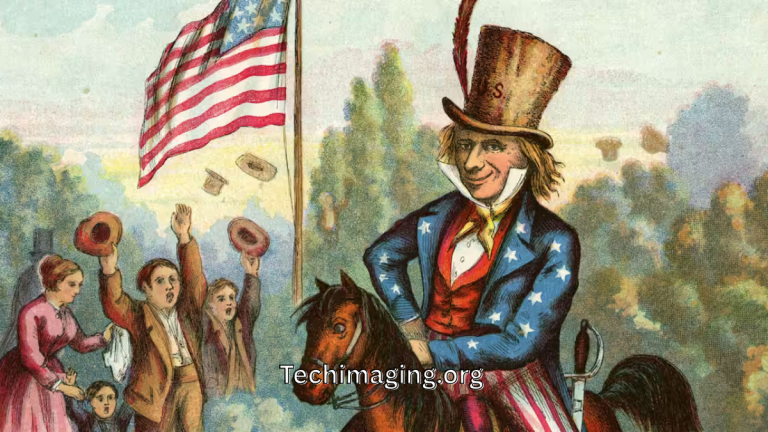
The modern look of Who Is Uncle Sam developed gradually through illustrations and political cartoons in the 19th century. Artists emphasized his tall stature, white hair, and patriotic clothing to visually link him to national values. The red, white, and blue outfit reinforced his role as a personification of the United States, while his stern expression suggested seriousness and responsibility. By the early 20th century, this image had become standardized and instantly recognizable.
Uncle Sam in American Propaganda and Politics
Uncle Sam played a major role in American propaganda, especially during times of war. His most famous appearance came during World War I in the iconic recruitment poster featuring the words “I Want YOU for U.S. Army.” Created by artist James Montgomery Flagg, the image showed Who Is Uncle Sam pointing directly at the viewer, creating a personal sense of duty and urgency. The poster was highly effective and remains one of the most influential propaganda images in history.
Beyond recruitment, Who Is Uncle Sam has been used to promote war bonds, encourage rationing, and boost national morale. Politically, he often appears in cartoons commenting on government spending, foreign policy, or public accountability. While sometimes portrayed as strong and inspiring, he has also been depicted as overbearing or manipulative, reflecting public skepticism toward government power.
Uncle Sam vs. Other National Personifications
Who Is Uncle Sam is not the only personification of the United States. Other symbols like Lady Liberty and Columbia have also represented American ideals. Lady Liberty focuses more on freedom, enlightenment, and opportunity, often associated with immigration and human rights. Columbia, popular in the 18th and 19th centuries, symbolized liberty and justice but gradually faded from common use.
What sets Who Is Uncle Sam apart is his direct association with the federal government. Unlike Lady Liberty, who represents ideals, Who Is Uncle Sam represents authority, policy, and action. This distinction explains why Uncle Sam is often used in political contexts, while Lady Liberty remains a more abstract and inspirational figure. Together, these symbols reflect different aspects of the American identity.
Cultural Impact of Uncle Sam in Modern America
In modern culture, Uncle Sam appears in movies, television, advertisements, and street art. His image is frequently adapted to fit contemporary issues, from taxation debates to social justice movements. Artists and commentators use Who Is Uncle Sam to speak directly to the public, making complex political ideas more relatable through a familiar face.
Internationally, Who Is Uncle Sam is widely recognized as a shorthand for the United States. In global media, he often represents American influence or intervention abroad. This widespread recognition shows how powerful and enduring the symbol has become, extending far beyond U.S. borders.
Misconceptions and Lesser-Known Facts About Uncle Sam
A common misconception is that Who Is Uncle Sam was created solely for military recruitment. While wartime propaganda made him famous, the symbol existed long before World War I. Another myth is that Uncle Sam is an official logo of the U.S. government. In reality, he is an unofficial symbol that evolved through popular culture rather than formal adoption.
Interestingly, Uncle Sam’s appearance has changed with the times. Early versions showed him thinner and less polished, while later depictions emphasized strength and authority. These changes reflect shifting attitudes toward government and national power.
Uncle Sam in the Digital Age
In today’s digital world, Uncle Sam has found new life in memes, social media posts, and online satire. Younger generations often reinterpret him humorously or critically, using the symbol to question government decisions or highlight social issues. This adaptability has kept Who Is Uncle Sam relevant in a rapidly changing media landscape.
Despite changes in tone and medium, the core meaning of Uncle Sam remains intact. He continues to represent the relationship between the American people and their government, serving as both a call to action and a mirror of public opinion.
Conclusion
Uncle Sam has endured for over two centuries because he adapts to the times while retaining his core symbolism. From his rumored beginnings with Samuel Wilson to his role in modern digital culture, Uncle Sam reflects the evolving identity of the United States. He embodies authority, responsibility, and national unity, while also providing a platform for critique and reflection.
As long as Americans continue to debate their government’s role and responsibilities, Uncle Sam will remain relevant. He is not just a historical figure but a living symbol that grows and changes alongside the nation he represents.
Frequently Asked Questions (FAQs)
Who was the real Uncle Sam?
The real Uncle Sam is believed to be Samuel Wilson, a businessman who supplied goods to the U.S. Army during the War of 1812.
Is Uncle Sam a real person or just a symbol?
Uncle Sam is a symbolic personification of the U.S. government, inspired by a real individual but not an actual person.
Why is Uncle Sam associated with the U.S. government?
The nickname “Uncle Sam” became linked to government supplies and eventually evolved into a symbol of federal authority.
What is the difference between Uncle Sam and Lady Liberty?
Uncle Sam represents government authority and action, while Lady Liberty symbolizes freedom and democratic ideals.
When did Uncle Sam become a national symbol?
He became widely recognized in the early 19th century and gained iconic status during World War I.
Also Read: jeff kay
About the Author