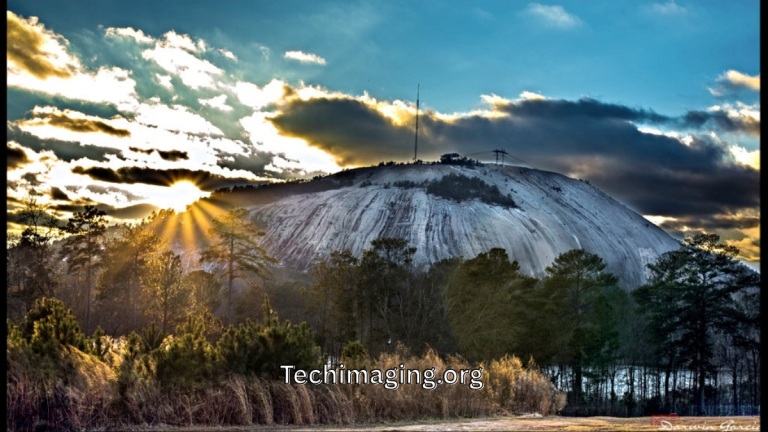

Stone Mountain Weather
Stone Mountain weather plays a major role in shaping the experience of visitors and residents alike. Located just east of Atlanta, Stone Mountain sits in Georgia’s Piedmont region, an area known for its mix of warm summers, mild winters, and frequent seasonal changes. The mountain itself slightly influences local conditions, especially wind patterns and temperature shifts at higher elevations, making the weather feel a bit different compared to surrounding suburbs.
Understanding Stone Mountain weather is important whether you are planning a short visit, an outdoor adventure, or simply managing daily life in the area. Weather affects everything from hiking trails and scenic views to festivals, cable car operations, and park events. A clear forecast can mean the difference between a perfect day outdoors and unexpected disruptions.
Because the climate changes noticeably throughout the year, knowing what to expect in each season helps with planning. From humid summer afternoons to crisp fall mornings, Stone Mountain weather offers variety. This guide breaks down climate patterns, seasonal conditions, and practical tips so you can make informed decisions year round.
Stone Mountain Climate Overview
Stone Mountain has a humid subtropical climate, which is common across much of the southeastern United States. This means warm to hot summers, mild winters, and fairly consistent rainfall spread across the year. The area receives ample sunshine, but it also experiences regular storms, especially during warmer months.
Average annual temperatures in Stone Mountain typically range from the mid 30s Fahrenheit in winter to the upper 80s or low 90s during summer. Humidity often makes summer days feel hotter than the actual temperature, while winters remain relatively comfortable compared to northern regions. Extreme cold is rare, and prolonged freezing periods do not usually last long.
Rainfall is well distributed throughout the year, with slightly higher totals during late winter and summer. Thunderstorms are common, particularly in the afternoon during warmer months. Snowfall is uncommon and usually light, but occasional winter storms can bring brief snow or ice. Overall, Stone Mountain weather remains fairly predictable, making it easier to plan ahead.
Stone Mountain Weather by Season
Spring Weather in Stone Mountain

Spring weather in Stone Mountain Weather is a season of transition and renewal. Temperatures gradually rise from cool winter levels to warm, comfortable days. Highs often range from the mid 60s to the upper 70s, while nights remain cooler. This temperature balance makes spring one of the most pleasant times of the year.
Rainfall increases during spring, helping greenery flourish across the park and surrounding areas. Afternoon showers and thunderstorms are common, but they rarely last all day. The mix of sunshine and rain creates ideal conditions for blooming flowers and lush landscapes, which enhances scenic views around the mountain.
Spring is also popular for outdoor activities such as hiking, picnics, and photography. However, visitors should be prepared for sudden weather changes. Carrying light rain gear and checking daily forecasts is recommended, as spring weather can shift quickly from sunny to stormy.
Summer Weather in Stone Mountain
Summer brings hot and humid Stone Mountain weather. Daytime temperatures often reach the upper 80s or low 90s, with humidity pushing the heat index even higher. Early mornings and evenings tend to be more comfortable, making them the best times for outdoor activities.
Afternoon thunderstorms are a regular feature of summer Stone Mountain Weather. These storms can bring heavy rain, lightning, and brief gusty winds, but they usually pass quickly. Despite the heat, rainfall helps cool the area temporarily and keeps vegetation thriving.
Visitors during summer should plan accordingly. Staying hydrated, wearing lightweight clothing, and taking breaks in shaded areas are essential. While the heat can be intense, summer remains a lively season with events, family activities, and extended daylight hours.
Fall Weather in Stone Mountain
Fall is often considered the most enjoyable season for Stone Mountain weather. Temperatures begin to cool, humidity drops, and days become crisp and clear. Highs typically range from the 60s to low 70s, making outdoor exploration comfortable.
Rainfall decreases compared to summer, resulting in more stable weather conditions. Clear skies enhance visibility from the summit, offering excellent views of the surrounding landscape. Fall foliage adds vibrant colors, making this season especially popular for photography and hiking.
Because of the comfortable conditions, fall attracts large crowds. Planning visits during weekdays or early mornings can help avoid peak times. Overall, fall provides a near perfect balance of pleasant temperatures and reliable weather.
Winter Weather in Stone Mountain
Winter weather in Stone Mountain Weather is generally mild. Daytime temperatures usually stay in the 40s and 50s, while nighttime lows can dip into the 30s. Prolonged freezing conditions are uncommon, and winters tend to be short.
Snowfall is rare but possible. When it does occur, it is usually light and melts quickly. Ice storms are more of a concern than snow, as they can affect travel and park operations. However, severe winter weather is infrequent.
Winter offers a quieter experience at Stone Mountain Park. Fewer crowds and cooler temperatures make it appealing for those who prefer peaceful visits. Dressing in layers is recommended, as temperatures can vary throughout the day.
Monthly Weather Breakdown
Stone Mountain weather changes gradually month by month. January and February are the coldest months, while July and August are the hottest. Spring months bring increasing warmth and rainfall, while fall months offer cooling temperatures and drier conditions.
Monthly precipitation remains fairly steady, though summer months often experience heavier rainfall due to thunderstorms. Weather extremes are uncommon, but occasional heatwaves or cold snaps can occur. Checking historical averages helps visitors anticipate typical conditions.
Understanding monthly trends allows for better planning. Whether scheduling a vacation or organizing an event, knowing average highs, lows, and rainfall patterns can prevent surprises.
Severe and Extreme Weather Conditions
While Stone Mountain weather is generally mild, severe weather can occur. Thunderstorms are the most common threat, often bringing lightning and heavy rain. Tornadoes are rare but possible, particularly during spring.
Flooding can happen during periods of intense rainfall, especially in low lying areas. Visitors should remain aware of weather alerts and follow safety guidelines during storms.
Staying informed is key. Monitoring local weather updates and heeding park advisories helps ensure safety during extreme conditions.
Best Time to Visit Based on Weather
The best time to visit Stone Mountain based on weather is typically spring and fall. These seasons offer comfortable temperatures, manageable rainfall, and ideal conditions for outdoor activities.
Summer visits are still enjoyable with proper preparation, while winter appeals to those seeking fewer crowds. Each season has its own charm, depending on personal preferences.
Conclusion
Stone Mountain weather offers variety without extremes, making the area accessible year round. From warm summers to mild winters, the climate supports a wide range of activities and experiences. Understanding seasonal patterns helps visitors and residents plan effectively and enjoy everything Stone Mountain has to offer.
Frequently Asked Questions (FAQs)
What is the best month for mild weather in Stone Mountain?
April and October typically offer the most comfortable temperatures and stable conditions.
Does Stone Mountain experience snow in winter?
Snow is rare and usually light, with occasional ice events being more common.
How hot does it get during summer months?
Summer temperatures often reach the upper 80s to low 90s, with high humidity.
Is Stone Mountain prone to severe storms?
Severe storms are possible but not frequent. Thunderstorms are the most common concern.
What weather should hikers prepare for year round?
Hikers should prepare for changing conditions, including rain, heat, and cooler temperatures depending on the season.
Also Read: who is uncle sam
About the Author