
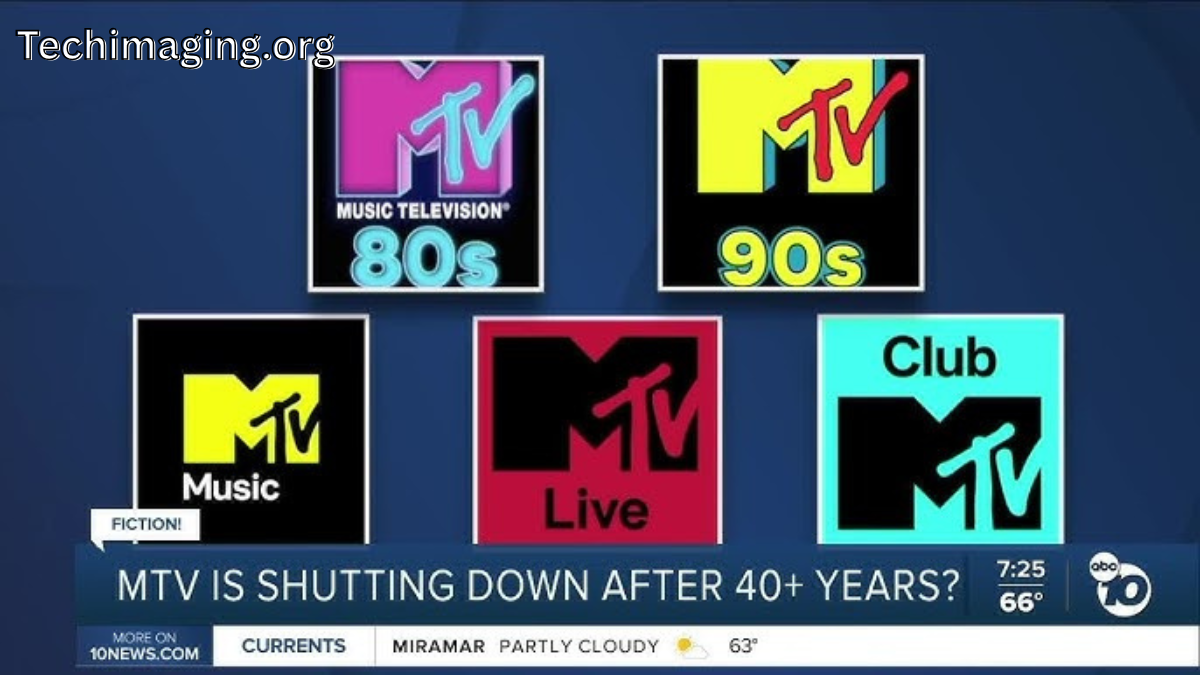
MTV Shutting Down
For decades, MTV Shutting Down was more than just a television channel. It was a cultural force that shaped music, fashion, slang, and youth identity across generations. From the first time the words “Video Killed the Radio Star” aired on screen, MTV became a symbol of rebellion, creativity, and pop culture evolution. That’s why the phrase “mtv shutting down” hits such a nerve. For many people, it feels less like media news and more like losing a piece of their past.
In recent years, headlines and social media posts have fueled confusion about MTV Shutting Down future. Some claim the channel is ending entirely, while others suggest it’s slowly fading into irrelevance. This article takes a clear, fact based look at where these rumors come from, what’s actually happening behind the scenes, and what the future may hold for a brand that once defined an entire era.
The Origin of MTV Shutting Down Rumors
The rumors about MTV shutting down didn’t start with an official announcement. Instead, they grew from a mix of half truths, misunderstood corporate news, and social media speculation. When parent companies restructure, lay off staff, or merge departments, headlines often exaggerate the impact. In MTV Shutting Down case, internal changes were quickly interpreted as signs of a full shutdown.
Social platforms played a major role in amplifying these claims. A single viral post suggesting MTV was “ending for good” spread faster than official clarifications. Many users shared emotional reactions without checking sources, turning speculation into assumed fact. Over time, repetition made the rumor feel real, even without solid evidence.
Another contributor was the quiet disappearance of music videos from regular MTV Shutting Down programming. For longtime viewers, this shift felt like betrayal. When people no longer recognized the channel they grew up with, the idea of MTV shutting down felt believable, even inevitable.
Is MTV Actually Shutting Down?
Despite widespread rumors, MTV is not officially shutting down. The channel continues to operate under its parent company, Paramount Global. What has changed is how MTV functions within a much larger media ecosystem. Instead of focusing on a single cable channel, the brand now exists across multiple platforms, including streaming services and digital media.
Confusion often comes from the difference between a channel shutting down and a brand evolving. Some regional MTV channels have reduced operations or changed formats, which leads people to assume the entire network is ending. In reality, these decisions are often market specific and based on audience behavior, not a global shutdown.
MTV today is less about one television feed and more about brand recognition. Its shows, archives, and influence continue through streaming libraries, social media clips, and nostalgia driven content. The name still carries weight, even if its presence looks different than it did twenty years ago.
Why People Believe MTV Is Shutting Down
One major reason people believe MTV shutting down is the steady decline of cable television. Viewership across traditional TV networks has dropped sharply as audiences move toward on demand streaming. When people stop seeing MTV in their daily viewing habits, it’s easy to assume the channel no longer exists.
Another factor is MTV Shutting Down shift away from nonstop music videos. For many fans, music was the heart of MTV’s identity. When reality shows and long running franchises took over the schedule, viewers felt disconnected. That emotional gap made rumors of closure feel logical, even if they weren’t accurate.
There’s also a generational divide. Younger audiences often know MTV as a brand name rather than a channel they actively watch. When something loses relevance with new generations, it’s often mistaken for disappearance rather than transformation.
MTV’s Evolution Over the Years
MTV’s early years were revolutionary. It gave visual storytelling to music and turned artists into global icons. The channel dictated trends and launched careers, becoming a tastemaker unlike anything before it. This era cemented MTV as a defining force in pop culture.
As audience tastes changed, MTV adapted. Reality TV became cheaper to produce and easier to binge, leading to shows that dominated ratings for years. While successful commercially, this shift distanced MTV from its original mission. Longtime fans felt alienated, while new viewers saw a very different version of the brand.
This evolution wasn’t unique to MTV Shutting Down. Many legacy media brands had to reinvent themselves to survive. The challenge for MTV has been balancing survival with identity, a tension that fuels ongoing debates about whether the brand has lost its soul or simply grown up.
The Impact of Streaming on MTV
Streaming platforms fundamentally changed how people consume music and entertainment. YouTube replaced MTV as the primary place to watch music videos, while Spotify and Apple Music made video channels less necessary. MTV lost its exclusivity almost overnight.
Short form platforms like TikTok further reshaped attention spans. Music discovery now happens in seconds, not scheduled programs. MTV’s original format simply didn’t fit this new reality. Rather than compete directly, the brand shifted toward content that could live beyond cable.
Streaming didn’t kill MTV, but it forced a reinvention. Much of MTV’s value now lies in its archive, recognizable franchises, and cultural nostalgia. In many ways, MTV became less about broadcasting and more about branding.
Corporate Strategy Behind MTV’s Changes
MTV’s parent companies have undergone major mergers and restructurings over the years. These changes often involve cost cutting, content consolidation, and strategic refocusing. When departments merge or staff is reduced, outsiders often interpret it as a shutdown.
From a business perspective, maintaining multiple cable channels is expensive. Media companies now prioritize scalable digital platforms with global reach. MTV’s transformation reflects this broader strategy, not a lack of value in the brand itself.
Rather than investing heavily in traditional broadcasting, companies leverage MTV’s name across streaming libraries, social campaigns, and special events. This approach keeps the brand alive while adapting to modern consumption habits.
What Would Happen If MTV Shut Down?
If MTV were to shut down completely, the impact would be largely symbolic. The channel represents a specific era in media history, and its absence would mark the end of a cultural chapter. Fans would mourn the loss of a shared experience that shaped generations.
Practically speaking, MTV’s content wouldn’t disappear. Its shows, music archives, and documentaries would live on through streaming platforms. The brand’s influence would remain accessible, even without a live channel.
In many ways, MTV has already transitioned into a legacy brand. Its importance lies in what it represents rather than how it broadcasts. A shutdown would be emotional, but not the erasure many fear.
MTV’s Current Status and Future Direction
Today, MTV still operates, but with a different focus. Its programming strategy emphasizes recognizable franchises, event based content, and cross platform visibility. While cable may no longer be its core strength, the brand remains active.
Digital presence is key to MTV’s future. Social media, streaming partnerships, and curated nostalgia content allow MTV to stay relevant without relying on traditional TV schedules. This approach aligns with how modern audiences engage with media.
Rather than disappearing, MTV is slowly redefining itself. The brand’s future likely lies in selective visibility rather than constant broadcasting, trading volume for cultural relevance.
Public Reaction to MTV Shutting Down News
Public reaction to MTV shutting down rumors has been deeply emotional. Many people associate MTV with formative moments in their lives. The idea of it ending feels personal, not just corporate.
Online discussions often blend nostalgia with frustration. Some mourn what MTV used to be, while others accept that media must evolve. These reactions highlight how deeply embedded MTV is in collective memory.
The strong response proves one thing clearly. Even in decline or transformation, MTV still matters. Few brands spark this level of emotional attachment decades after their peak.
Conclusion
The idea of MTV shutting down is more myth than reality. While the channel has changed dramatically, it has not disappeared. What we’re witnessing is not an ending, but a transformation shaped by technology, audience behavior, and economic reality.
MTV no longer looks the way it once did, and that’s uncomfortable for many fans. But its influence, archives, and cultural footprint remain strong. The brand continues to adapt, even if quietly.
In the end, MTV isn’t vanishing. It’s evolving, leaving behind one era while finding its place in another.
About the Author