Chicago PD Cast
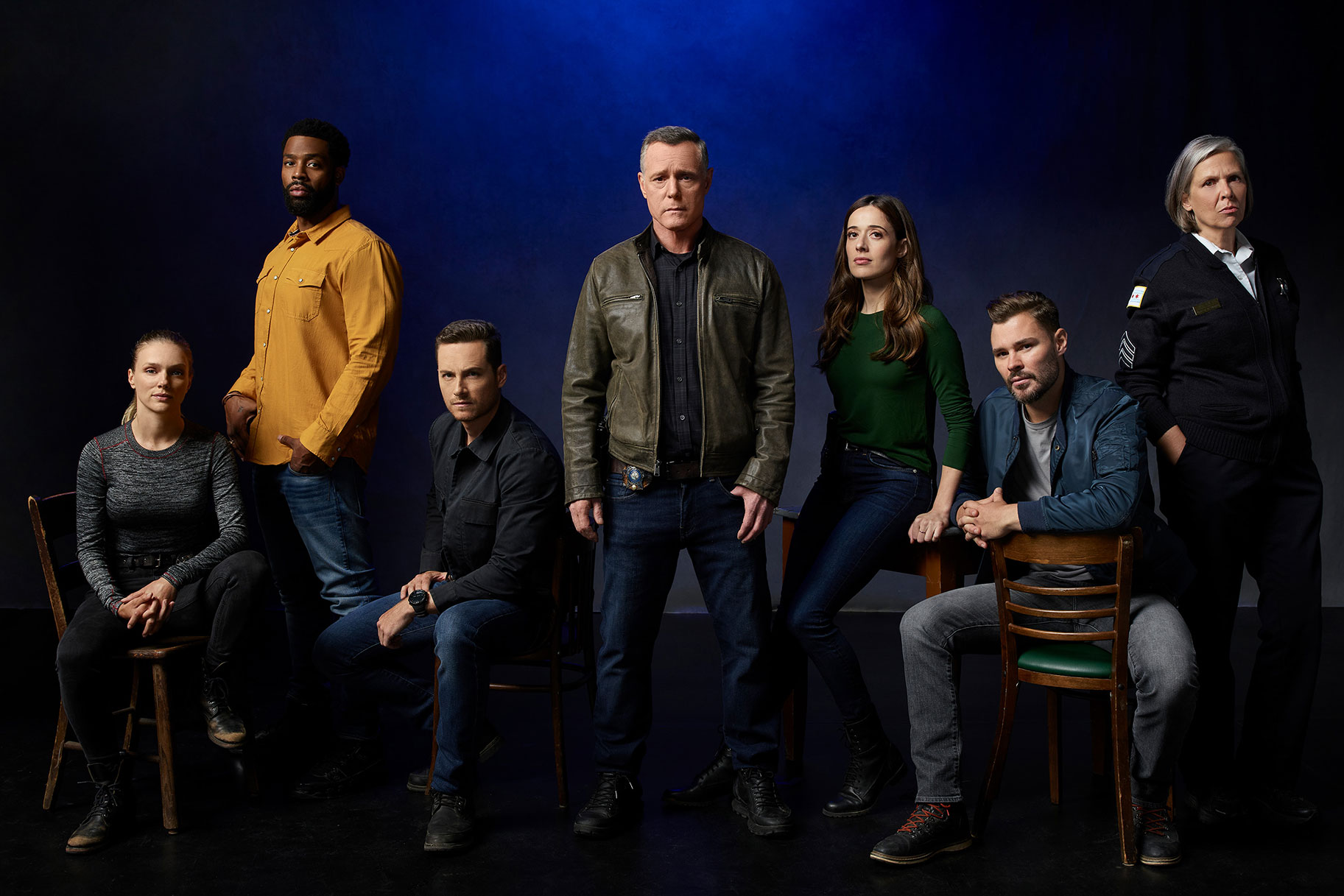
If you’ve ever watched Chicago PD Cast and thought, “Okay… why do I feel like I know these characters personally?” you’re not alone. The show doesn’t just throw action at you and call it a day. It builds people. It builds relationships. It builds pressure-cooker moments that feel like real life. And at the center of all that? The Chicago PD cast.
From the intense leadership energy to the emotional detectives, from patrol officers to recurring faces who pop in at the perfect moment, Chicago PD has become one of TV’s strongest ensemble crime dramas. The cast is the engine. The stories are the fuel. And when both are working together, the show becomes addictive.
In this guide, we’ll walk through the Chicago PD cast in a way that’s easy to follow, season-friendly, and full of the kind of details fans actually care about: who’s in, who’s out, who changed the show, and why the cast has remained the heartbeat of the series for so long.
Chicago PD Cast Overview (Quick Snapshot)
The best way to describe the Chicago PD cast is this: it’s built like a real police unit. Not one superhero lead. Not a single genius detective who magically solves everything. Instead, the show relies on an ensemble structure, where every character plays a specific role and brings a unique personality into the mix.
That’s one of the biggest reasons the cast feels believable. You’ve got leadership, field detectives, tactical officers, and people who handle cases in ways that sometimes clash. The cast isn’t designed to be “perfect.” It’s designed to be human. That’s why the show doesn’t feel like a typical crime series. It feels like a long-running story about people who work under constant stress and still try to do the right thing.
Another reason the cast stands out is how the show balances character development with action. Some shows focus so hard on weekly cases that characters never evolve. Chicago PD Cast does the opposite. The cases are important, sure, but the show is equally invested in trauma, loyalty, relationships, and moral dilemmas.
Over the years, the cast has evolved significantly. Some characters left, others arrived, and the unit changed. But the show has managed to keep its identity. That’s not easy. Many long-running series lose their “feel” after a few seasons. Chicago PD Cast has stayed grounded, mostly because the cast has always been carefully chosen to fit the show’s emotional tone.
Main Chicago PD Cast (Current Core Characters)
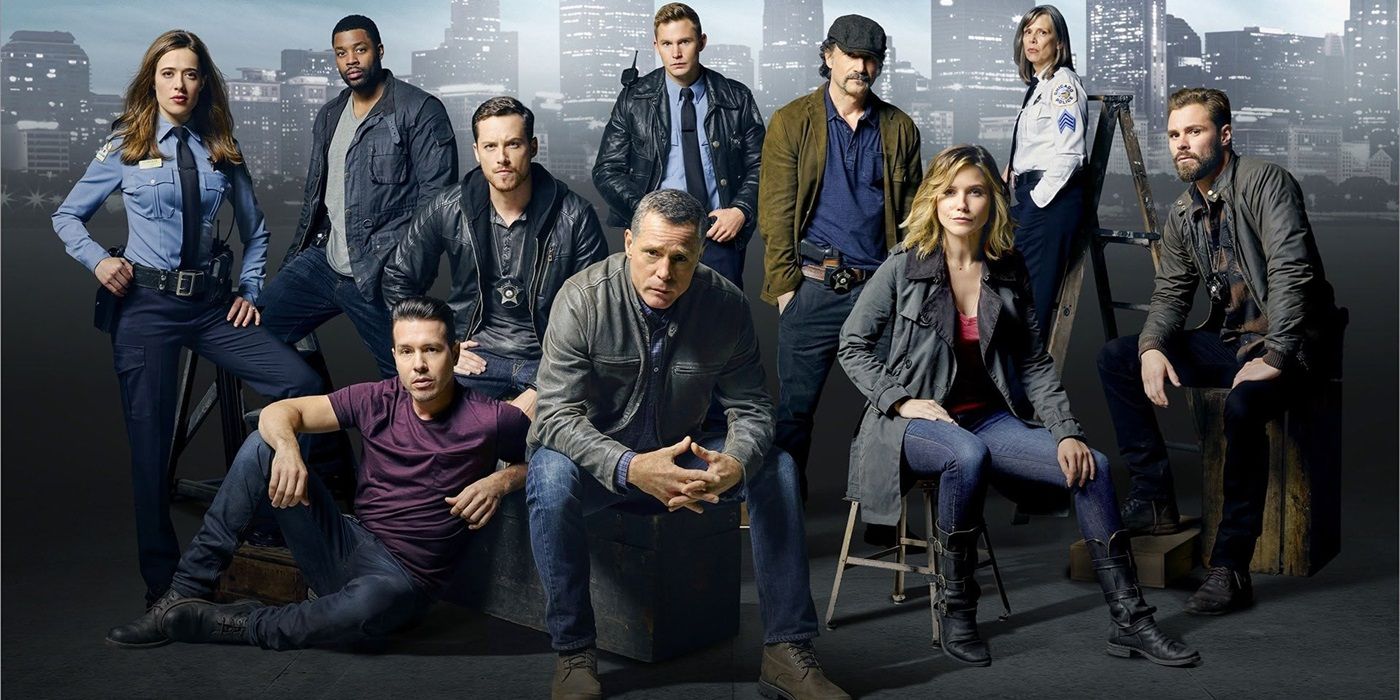
The current Chicago PD cast revolves around the Intelligence Unit, which is basically the show’s core stage. It’s where the biggest cases happen, where moral conflicts explode, and where the most intense personal storylines unfold. This is the team viewers follow most closely, and the cast members who play these roles carry the weight of the series.
The Intelligence Unit leadership is usually the emotional center of the show. The commanding figure often sets the tone for everything. When leadership is calm, the unit feels stable. When leadership is intense, the entire show becomes sharper, darker, and more unpredictable. That’s why leadership casting is so crucial in a series like this. It’s not just about acting skill. It’s about presence. The leader needs to feel like someone who can control a room with one look.
Then you have the detectives and senior officers, who usually deliver the show’s most layered performances. These are the characters who chase suspects, interrogate criminals, and face the kind of decisions that don’t come with clean answers. In Chicago PD Cast, the detectives aren’t written as flawless heroes. They’re written as people who sometimes get it right and sometimes make choices that haunt them. That complexity is what makes them so watchable.
Finally, the unit’s support roles and patrol connections help the cast feel complete. Even when certain characters aren’t in the spotlight every episode, their presence makes the world feel bigger. It reminds viewers that this isn’t just a show about a few cops. It’s a show about a whole system, and how that system shapes everyone inside it.
Chicago PD Cast: Full List of Main Characters (Season-by-Season Structure)
One of the smartest things Chicago PD Cast has done is allow the cast to evolve season by season. If you’ve watched since the early seasons, you’ve probably noticed how different the show feels now compared to Season 1. That’s not a bad thing. In fact, it’s part of why the series has survived and stayed relevant.
In the early seasons, the cast is introduced in a way that feels almost like a recruitment. Viewers get to know the unit, the structure, and the personalities. Season 1 is all about establishing identity. Who’s the leader? Who’s loyal? Who’s impulsive? Who’s emotionally guarded? It’s like watching a chessboard being set up before the real game begins.
As seasons progress, the cast changes become more noticeable. New characters arrive, and they aren’t just random replacements. They usually fill a narrative gap. Maybe the unit needs a more tactical presence. Maybe it needs someone who challenges leadership. Maybe it needs someone with a softer emotional edge. These additions help the show refresh itself without feeling like it’s rebooting.
Between the middle seasons and the later seasons, cast development becomes more personal. The characters aren’t just solving cases anymore. They’re dealing with the consequences of years of trauma, relationships, and hard decisions. This is where Chicago PD Cast becomes less like a procedural and more like a long-form drama.
By the time you reach the most recent seasons, the cast is a mix of long-term anchors and newer faces. That blend is what keeps the show from becoming stale. It gives longtime fans familiar energy while also giving writers new character arcs to explore.
Chicago PD Cast: Character-to-Actor Guide
For new viewers, the Chicago PD cast can feel a little overwhelming at first. There are a lot of characters, and many of them have similar ranks, similar responsibilities, and sometimes similar emotional tones. That’s why a character-to-actor guide is so helpful.
In general, the show is structured around recognizable archetypes, but with a twist. You have the tough leader, but he’s not just tough. You have the fearless detective, but she’s not just fearless. You have the loyal partner, but loyalty often comes with a price. That’s the magic of the cast: the characters start with familiar shapes, then grow into something deeper.
A good way to understand the cast is by grouping them into “roles” within the unit. Leadership characters often represent authority and moral conflict. Detectives represent the emotional and investigative core. Tactical officers bring action and intensity. Support roles keep the unit grounded and realistic.
Fan-favorite characters tend to be the ones who feel the most layered. These are the characters who aren’t always likable but are always compelling. They might make decisions you disagree with, but you still understand them. That’s rare in TV. Many shows either make characters too heroic or too villainous. Chicago PD keeps its cast in the gray area, which is exactly where the best drama lives.
For writers, it’s important to keep the actor-to-character connection clear, especially in a guide-style article. Readers love knowing who plays who, but they also love learning what makes each character important. A good cast guide doesn’t just list names. It explains why each person matters.
Chicago PD Cast Members Who Left the Show

Cast exits are always a big deal in a show like Chicago PD. When a character leaves, it doesn’t just change the lineup. It changes the emotional chemistry. It changes the way storylines flow. It can even change how fans feel about the entire show.
Some of the biggest cast departures have shocked fans because they weren’t just “characters.” They were pillars. People who helped define the unit. When someone like that leaves, the show has to rebuild its emotional structure. And that’s risky, because fans don’t just watch for cases. They watch for relationships.
There are also different kinds of exits. Some characters are written off dramatically, with storylines that feel like emotional gut punches. Others leave quietly, which sometimes frustrates fans because it feels unfinished. The way a character exits matters almost as much as the character themselves. A strong exit can make fans cry but still feel satisfied. A weak exit can make fans feel like the show “forgot” someone important.
Then there’s the real-world side of cast departures. Sometimes actors leave for career reasons, personal reasons, or new projects. It happens. But what makes Chicago PD impressive is that the show usually tries to make these departures feel meaningful, even when the exit is sudden.
For SEO-driven articles, this section is one of the highest-interest areas. People constantly search for “who left,” “why they left,” and “what happened.” Writers should handle this carefully. Stick to confirmed story details and avoid rumors. Fans want facts, but they also want respect for the characters they cared about.
New Chicago PD Cast Members (Recent Seasons)
New cast additions are where Chicago PD shows its long-term strategy. The show doesn’t just add characters to fill screen time. It adds them to change the unit’s energy. And that’s important, because a series can’t survive 10+ seasons without refreshing its dynamics.
When new characters join, the show often uses them to challenge existing relationships. A new detective might question leadership decisions. A new officer might bring a different moral code. A new team member might have a backstory that clashes with the unit’s culture. These tensions create fresh storytelling without needing a full reset.
New cast members also help the show stay relevant. Policing, public perception, and criminal justice themes have evolved over the years. The show reflects some of that through new character perspectives. That’s one reason newer seasons feel different from early seasons. It’s not just the cases. It’s the way characters react to the world.
Of course, new cast members always face a tough challenge: winning over longtime fans. Some viewers resist change, especially if they’re attached to the original cast. But when a new character is written well and acted strongly, fans eventually accept them, and sometimes even love them.
For writers covering this topic, it’s smart to frame new cast members as “additions to the unit” rather than replacements. That language matters. Fans don’t want to feel like the show is trying to erase the past. They want to feel like the unit is evolving naturally.
Recurring and Guest Stars in Chicago PD
The Chicago PD cast isn’t just the main unit. One of the reasons the show’s world feels real is because of recurring and guest characters. These are the people who come in and out of the story like they would in real life: medical examiners, city officials, lawyers, informants, and family members.
Recurring characters are often the glue between seasons. Even if a main character leaves, recurring roles can keep the show feeling familiar. They also help expand the story beyond the unit. Because let’s be honest, police work doesn’t happen in a bubble. It connects to politics, law, community issues, and personal lives. Recurring characters represent those outside pressures.
Guest stars, on the other hand, often show up in high-impact episodes. Sometimes they play suspects. Sometimes they play victims. Sometimes they play key figures in a case. These appearances can elevate an episode instantly, especially when the guest actor brings strong emotional energy.
From a creative writing perspective, recurring and guest roles also keep the show flexible. Writers can introduce new conflicts without permanently changing the unit. It’s like adding spice to a recipe. You don’t change the entire dish, but you keep it interesting.
For a cast-focused article, it’s helpful to include a section like this because many fans search for specific guest appearances. People often remember a face and want to know, “Wait… who was that actor?” Including this in your content makes the article more complete and more useful.
Behind-the-Scenes Facts About the Chicago PD Cast
Fans love behind-the-scenes content because it makes the cast feel human. And with a show like Chicago PD, that matters. The characters on screen are intense. They go through trauma, violence, and emotionally heavy situations. So when viewers see the cast laughing in interviews or supporting each other off-screen, it creates a stronger bond with the show.
One of the biggest behind-the-scenes strengths of the Chicago PD cast is chemistry. You can’t fake chemistry for 10+ seasons. You either have it or you don’t. The reason many scenes feel so natural is because the actors understand their characters deeply and have built long-term working relationships.
Training and preparation is another big factor. Crime dramas require physical movement, tactical realism, and convincing investigative behavior. While the show is still fiction, it tries to stay grounded. The cast often has to learn how to handle weapons, move in tactical formations, and perform action scenes safely.
Fun facts also help keep a cast article engaging. Things like cast friendships, memorable bloopers, and interview moments can make a guide feel less like a Wikipedia list and more like a fan-friendly deep dive. That’s important for SEO too, because longer engagement time helps performance.
A good behind-the-scenes section should feel respectful and factual. Avoid gossip. Focus on confirmed interviews, production details, and general insights that fans can enjoy without turning the article into tabloid content.
Chicago PD Cast and the Chicago Franchise Connection
One of the coolest things about the Chicago PD cast is that it doesn’t exist in isolation. The show is part of a larger TV universe, alongside Chicago Fire and Chicago Med. This shared universe is one of the biggest reasons the cast has stayed so popular for so long.
Crossovers are a major event for fans. They bring characters together, raise the stakes, and make the world feel connected. When characters appear across multiple shows, it adds depth. It also makes the cast feel bigger than one series. A character might be central in Chicago PD but also have meaningful interactions in Chicago Fire.
This franchise connection also helps with storytelling. Sometimes a case starts in one show and continues in another. That keeps viewers invested and encourages binge-watching. It’s also a smart strategy for long-term fan engagement.
For cast-based articles, crossovers are a high-search topic. Fans often look up episodes where certain characters appear together. Including this section improves SEO and makes the article more valuable.
The shared universe also creates a sense of community. Fans don’t just love the Chicago PD cast. They love the whole Chicago franchise family. That’s rare in television, and it’s one of the reasons the show remains such a strong part of NBC’s lineup.
Conclusion: Why the Chicago PD Cast Is the Heart of the Show
At the end of the day, Chicago PD isn’t just a crime drama. It’s a character-driven series built around loyalty, trauma, and the messy reality of doing a difficult job. And that’s why the Chicago PD cast matters so much.
The cast is what makes the show feel real. It’s what makes fans return season after season. It’s what turns a weekly procedural into an emotional story that people actually care about. Cast changes have happened, sure, but the show has always been careful to keep its identity intact.
Whether you’re a longtime fan or a new viewer just starting the series, one thing becomes obvious quickly: the cast isn’t just acting. They’re building a world. And once you step into that world, it’s hard to leave.
FAQs About the Chicago PD Cast
1. Who is the main cast of Chicago PD right now?
The main cast typically includes the core Intelligence Unit members, including leadership, detectives, and key officers who appear regularly each season.
2. Are any original Chicago PD cast members still on the show?
Yes, the show has maintained some long-term cast members across multiple seasons, which helps keep continuity strong.
3. Why do Chicago PD cast members leave the show?
Cast members may leave due to storyline decisions, character arcs ending, or actors moving on to other projects.
4. Does Chicago PD share cast members with Chicago Fire or Chicago Med?
Yes. Crossovers often feature cast members appearing across shows within the Chicago franchise universe.
5. Will Chicago PD add new cast members in future seasons?
Most likely, yes. Long-running series often introduce new characters to refresh storylines and expand the unit.
Also Read: mark ruffalo young
About the Author