
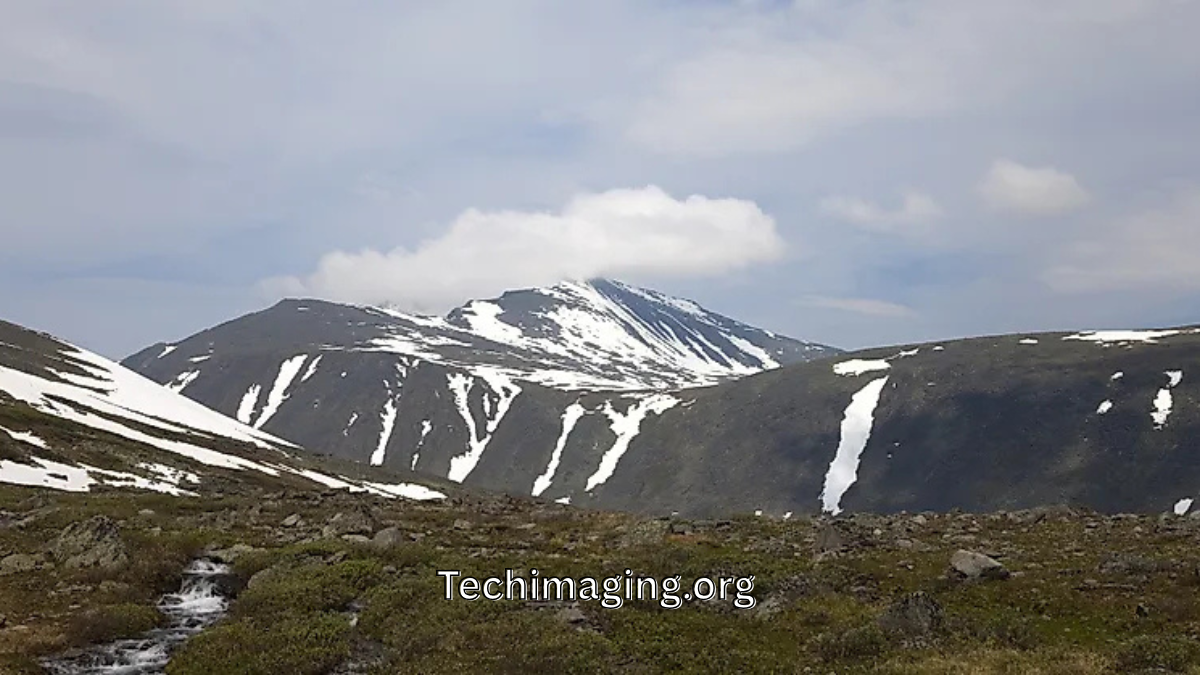
Ural Mountains
The Ural Mountains are one of the most important yet often overlooked mountain ranges in the world. Stretching across western Russia, they form a natural boundary between Europe and Asia, giving them both geographical and cultural significance. Unlike towering ranges such as the Himalayas or the Andes, the Ural Mountains are relatively low in elevation, but their importance lies in what they divide rather than how high they rise. For centuries, geographers, historians, and travelers have viewed the Urals as a symbolic line separating two continents.
Beyond their role as a continental divider, the Ural Mountains have shaped human settlement, industry, and culture in the surrounding regions. Rich in minerals, forests, and wildlife, they have supported communities since ancient times. From early tribal societies to modern industrial cities, life around the Ural Mountains has always been closely tied to the land. Understanding this mountain range offers valuable insight into the natural, economic, and cultural landscape of Eurasia.
Geographical Location and Extent
The Ural Mountains run roughly north to south for about 2,500 kilometers, beginning at the Arctic Ocean in the north and extending down to the Ural River and the plains of Kazakhstan in the south. This long stretch allows the range to pass through several climatic zones, from icy tundra to forested hills and grassy steppe lands. Their location places them entirely within Russia, yet their influence extends far beyond national borders due to their continental role.
Geographers often divide the Ural Mountains into three main sections: the Northern Urals, Central Urals, and Southern Urals. The Northern Urals are colder, more remote, and sparsely populated, while the Central Urals are lower in elevation and more industrialized. The Southern Urals feature higher peaks and richer biodiversity. Several major rivers, including the Ural River and tributaries of the Volga and Ob river systems, originate in this mountain range, making it an important water source for surrounding regions.
Geological Formation and Age

The Ural Mountains are among the oldest mountain ranges on Earth, formed around 250 to 300 million years ago during the late Paleozoic era. They emerged as a result of a continental collision between the ancient landmasses of Europe and Siberia. Over millions of years, erosion has worn down their peaks, giving the Urals their relatively modest height compared to younger mountain ranges.
Despite their age, the geological structure of the Ural Mountains is incredibly complex. The range contains a wide variety of rock types, including igneous, metamorphic, and sedimentary formations. This diversity is one of the reasons the Urals are so rich in minerals. Geologists consider the Ural Mountains a natural geological archive, offering valuable clues about Earth’s tectonic history and the processes that shape continents over time.
Climate and Natural Environment
The climate of the Ural Mountains varies significantly depending on latitude and elevation. In the northern regions, long, harsh winters dominate the landscape, with temperatures often dropping well below freezing. Snow covers the ground for much of the year, shaping both the natural environment and human activity. In contrast, the southern Urals experience milder winters and warmer summers, making them more suitable for agriculture and settlement.
This climatic diversity supports a wide range of natural environments. Dense taiga forests cover much of the central and northern Urals, while tundra landscapes appear in the far north. In the south, forest-steppe and grassland ecosystems are more common. These varied environments contribute to the ecological richness of the Ural Mountains and play a crucial role in maintaining regional climate balance.
Flora and Fauna of the Ural Mountains
The Ural Mountains are home to a diverse array of plant life, shaped by changes in climate and altitude. Coniferous forests dominated by pine, spruce, and fir trees cover large areas, especially in the central regions. In lower elevations and southern areas, deciduous trees such as birch and oak become more common. Alpine plants thrive in higher zones, where harsh conditions limit tree growth.
Wildlife in the Ural Mountains is equally diverse. Species such as brown bears, wolves, lynx, and elk roam the forests, while smaller mammals like foxes and martens are widespread. Birdlife is abundant, particularly in protected areas. Some species are considered endangered, prompting conservation efforts to protect habitats. The biodiversity of the Ural Mountains highlights their importance as a natural refuge in an increasingly industrialized region.
Natural Resources and Minerals
The Ural Mountains are often described as one of the world’s richest mineral regions. They contain vast deposits of iron ore, copper, nickel, gold, platinum, and precious gemstones. This mineral wealth has made the Urals a cornerstone of Russia’s mining and metallurgical industries for centuries. Many towns and cities in the region developed specifically to support resource extraction.
These natural resources have played a key role in Russia’s economic development, especially during periods of rapid industrialization. However, extensive mining has also raised environmental concerns, including land degradation and pollution. Balancing economic benefits with environmental protection remains a major challenge for the region, making sustainable resource management increasingly important.
Historical and Cultural Significance
Human history in the Ural Mountains dates back thousands of years. Archaeological evidence shows early settlements that relied on hunting, fishing, and mining. Indigenous groups developed unique cultures closely connected to the natural environment. Over time, the Urals became a gateway for exploration and expansion into Siberia, shaping the course of Russian history.
Culturally, the Ural Mountains hold a special place in folklore, literature, and national identity. They are often portrayed as a land of hidden treasures and mystical landscapes. Traditional crafts, music, and stories from the region reflect a deep respect for nature. Even today, the Urals symbolize endurance, richness, and the meeting point of different worlds.
Human Settlements and Major Cities
Several major cities are located near or within the Ural Mountains, including Yekaterinburg, Chelyabinsk, and Perm. These urban centers grew rapidly due to mining, manufacturing, and transportation networks. Railways and roads connecting Europe and Asia pass through the Urals, reinforcing their strategic importance.
Life in these cities reflects a blend of industrial development and natural surroundings. While heavy industry dominates some areas, there is also a growing focus on culture, education, and technology. The population of the Ural region is diverse, shaped by migration, economic opportunity, and historical change.
Tourism and Outdoor Activities
Tourism in the Ural Mountains has grown steadily as travelers seek less crowded, more authentic destinations. The region offers opportunities for hiking, skiing, camping, and wildlife observation. National parks and nature reserves protect scenic landscapes and provide access to untouched wilderness.
The best time to visit depends on the activity. Summer is ideal for hiking and exploring forests, while winter attracts skiing and snow-based adventures. Cultural tourism is also popular, with visitors exploring historic towns, museums, and traditional villages. Tourism provides an alternative source of income and encourages conservation efforts.
Environmental Challenges and Conservation
Industrial activity has brought environmental challenges to the Ural Mountains. Pollution from mining and factories has affected air, water, and soil quality in some areas. Deforestation and habitat loss threaten wildlife and ecosystems, raising concerns among environmental groups and local communities.
In response, conservation initiatives have expanded in recent years. Protected areas, stricter regulations, and public awareness campaigns aim to preserve the natural heritage of the Ural Mountains. Long-term sustainability depends on balancing economic growth with environmental responsibility, ensuring the region remains healthy for future generations.
Conclusion
The Ural Mountains may not be the tallest or most famous mountain range, but their importance is undeniable. As the natural boundary between Europe and Asia, they hold geographical, historical, and cultural significance that few other regions can match. Their ancient geological origins, rich biodiversity, and vast natural resources make them a vital part of the Eurasian landscape.
From early human settlements to modern cities, the Ural Mountains have shaped lives and histories for centuries. As environmental awareness grows, protecting this unique region becomes more important than ever. Understanding the Ural Mountains is not just about learning geography. It is about appreciating a place where nature, culture, and history intersect.
Frequently Asked Questions (FAQs)
Where are the Ural Mountains located?
They are located in western Russia, stretching from the Arctic Ocean to Kazakhstan.
Why are the Ural Mountains considered the border between Europe and Asia?
They form a natural geographical divide traditionally used to separate the two continents.
How old are the Ural Mountains?
They are approximately 250 to 300 million years old.
What wildlife lives in the Ural Mountains?
Species include brown bears, wolves, lynx, elk, and a wide variety of birds.
Are the Ural Mountains good for tourism?
Yes, they offer hiking, skiing, cultural tourism, and access to protected natural areas.
Also Read: vinfast vf9
About the Author