Dak Prescott Trade
The idea of a Dak Prescott trade is one of those NFL topics that never fully disappears. Even when the Dallas Cowboys are winning games, speculation tends to follow Prescott closely. That is not accidental. He is the quarterback of the most valuable sports franchise in the world, and every decision tied to that role is magnified. When fans and analysts talk about a possible trade, it usually reflects bigger questions about expectations, playoff success, and long-term direction rather than just one player’s performance.
Quarterback trades have become more common in recent years, changing how teams think about roster building. Stars once considered untouchable are now part of open conversations. In that context, the Dak Prescott trade discussion fits perfectly into today’s NFL reality. Whether it is realistic or not, it forces an honest look at Dallas’ future, Prescott’s value, and how one move could ripple across the entire league.
Dak Prescott’s Career Overview With the Cowboys
Dak Prescott Trade journey with the Cowboys began as a surprise story. Drafted in the fourth round, he entered the league without the pressure normally attached to franchise quarterbacks. That changed almost immediately. Prescott stepped in as a rookie, won games, and showed poise that exceeded expectations. Over time, he grew into the face of the franchise, leading Dallas through multiple coaching changes, roster resets, and playoff pushes.
Statistically, Prescott has been one of the more productive quarterbacks of his era. He has posted strong passing numbers, maintained a solid touchdown-to-interception ratio, and consistently kept the Cowboys competitive in the NFC. Beyond stats, his leadership has been a defining trait. Teammates often point to his work ethic and accountability, qualities that matter greatly at the quarterback position.
Still, success in Dallas is measured differently. Regular-season wins are appreciated, but postseason results define legacies. While Prescott has had playoff moments, the lack of deep postseason runs has kept debates alive. That gap between individual performance and team achievement plays a major role in why a Dak Prescott trade is even discussed.
Why Dak Prescott Trade Rumors Are Gaining Attention
Trade rumors rarely appear without a reason. In Prescott’s case, they often spike during contract negotiations or after playoff disappointments. The Cowboys are constantly balancing loyalty to a proven quarterback with the pressure to deliver championship results. When expectations are sky-high, patience runs thin, and speculation fills the gap.
Another factor is timing. The NFL is more aggressive than ever when it comes to resetting at quarterback. Teams no longer wait a decade hoping things click. If management believes the ceiling has been reached, they explore alternatives. For Dallas, that creates a natural question: is Prescott the best path forward, or is there value in exploring a trade while his stock remains high?
Media coverage also fuels the conversation. The Cowboys dominate headlines, and Prescott is central to that attention. Every interception, every playoff loss, and every contract detail becomes part of a larger narrative. Over time, those narratives shape public perception, making a Dak Prescott trade feel more plausible than it might actually be behind closed doors.
Financial and Contract Factors Behind a Dak Prescott Trade
Money sits at the heart of almost every major NFL decision, and this situation is no different. Prescott’s contract places him among the highest-paid quarterbacks in the league. While that reflects his production and importance, it also limits flexibility. Large quarterback contracts impact how teams build around the position, especially when elite talent is needed on both sides of the ball.
A potential trade forces Dallas to weigh dead cap consequences against long-term relief. Moving a quarterback of Prescott’s caliber is not just about replacing talent; it is about managing financial timing. The Cowboys must consider how a trade would affect future extensions, free-agent signings, and draft investments.
From another team’s perspective, Prescott’s contract can be both appealing and risky. You get a proven starter without waiting years for development, but you also inherit a significant financial commitment. That balance shapes the trade market and influences what Dallas could realistically receive in return.
Possible Teams Interested in a Dak Prescott Trade
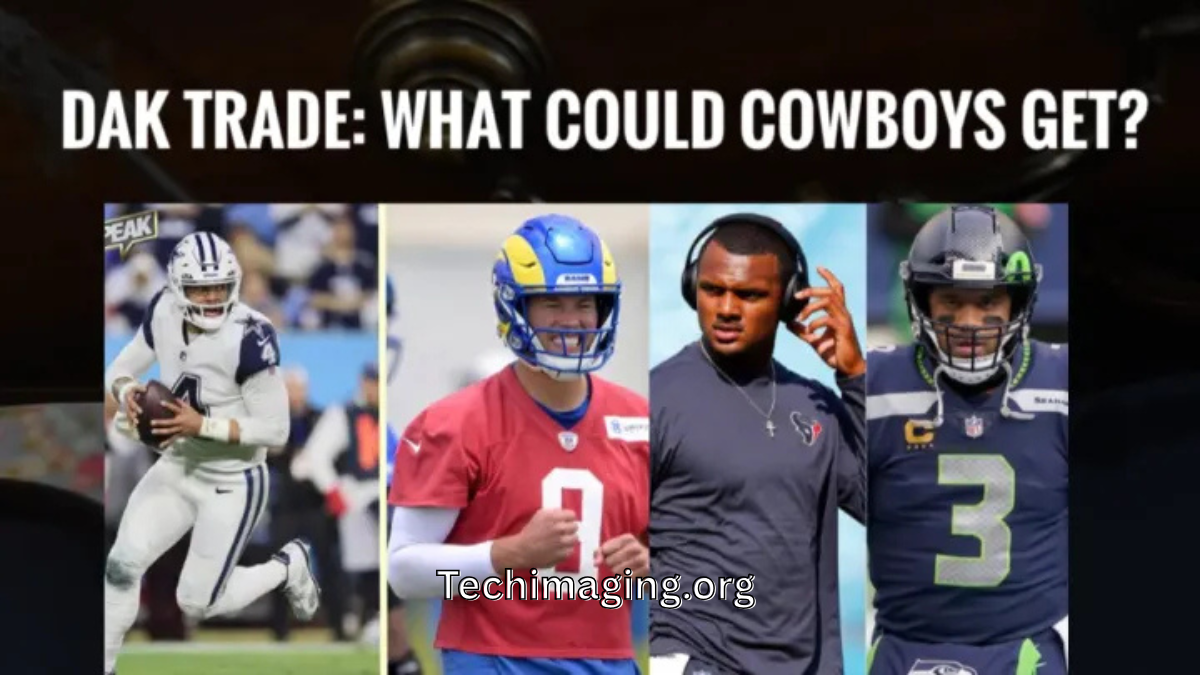
If a Dak Prescott trade were to become real, there would be no shortage of interest. Quarterbacks who can start immediately and win games are rare. Teams stuck in cycles of inconsistency often see a veteran like Prescott as a stabilizing force. Franchises with strong defenses or young skill players could view him as the missing piece.
Conference dynamics also matter. Dallas may prefer sending Prescott out of the NFC to avoid future matchups. AFC teams, particularly those in competitive divisions, could be more aggressive if they believe Prescott elevates them into playoff contention.
That said, interest does not equal action. Teams must evaluate scheme fit, coaching stability, and long-term vision. Prescott thrives in structured offenses with strong leadership. Any potential destination would need to offer more than just cap space to make the move worthwhile.
Potential Trade Scenarios and Compensation
Quarterback trades are complex, and compensation varies widely. For Prescott, draft picks would likely be the foundation of any deal. First-round selections, additional mid-round picks, or even young starters could be part of the package. The exact value would depend on timing, contract structure, and market competition.
Some scenarios involve short-term thinking, where a team views Prescott as a win-now option. Others are long-term, betting that he remains productive for several more seasons. Dallas would need to decide whether maximizing immediate draft capital or securing future flexibility is the priority.
History shows that quarterback trades can redefine franchises. Some teams strike gold, while others struggle to replace leadership and consistency. That uncertainty is why the Cowboys would approach any Dak Prescott trade with extreme caution.
How a Dak Prescott Trade Would Impact the Dallas Cowboys
Trading Prescott would signal a major shift in philosophy. Offensively, the Cowboys would face an immediate reset. Even with talented skill players, replacing a veteran quarterback is never seamless. Growing pains would be expected, especially if a young quarterback steps into the role.
Leadership would also change. Prescott has been a steady presence in the locker room, and that stability is hard to quantify. Moving on would require other leaders to step up quickly, both on and off the field.
Long-term, the trade could open financial flexibility and draft opportunities. Dallas could reshape its roster and align contracts more strategically. The challenge would be staying competitive while rebuilding trust with a fan base accustomed to high expectations.
How a Dak Prescott Trade Could Affect the NFL Landscape
A trade of this magnitude would not stay isolated. It would influence quarterback markets, contract negotiations, and team strategies across the league. Teams might feel more comfortable exploring bold moves, knowing even established starters can be traded.
Media narratives would dominate headlines, and fans would debate winners and losers instantly. More importantly, it could set a precedent for how franchises handle good but not championship-proven quarterbacks in the modern NFL.
Fan and Media Reaction to a Possible Dak Prescott Trade
Cowboys fans are deeply divided on Prescott, which makes reaction unpredictable. Some would welcome a fresh start, while others would see the move as reckless. Media coverage would amplify both sides, turning the trade into a nonstop discussion.
Prescott’s legacy in Dallas would also be debated. Was he underappreciated, or did the team move on at the right time? Those questions would linger long after the trade was completed.
What History Says About Trading Franchise Quarterbacks
NFL history offers mixed lessons. Some teams thrive after moving on, while others spend years searching for stability. The key takeaway is that quarterback trades are high-risk, high-reward decisions that define eras.
For Dallas, those lessons highlight the importance of having a clear plan. Trading Prescott without a strong alternative would invite chaos. Doing it with purpose could reshape the franchise for the next decade.
Conclusion
The Dak Prescott trade discussion exists because it touches on performance, money, expectations, and identity. While speculation may outpace reality, the conversation itself reflects the pressure of winning in today’s NFL. Whether Prescott remains in Dallas or not, the debate underscores how fragile and valuable the quarterback position truly is.
Also Read: the porch dallas tx
About the Author